Unlock the Delicious Secret: Easy Oil-Free Sunflower Seed Butter, Tame Bitterness, Save Money
Are you searching for a healthy, delicious, and allergy-friendly alternative to peanut butter? Look no further than homemade sunflower seed butter! While store-bought versions often disappoint with their added oils, excessive sweetness, or surprisingly bitter notes, crafting your own at home puts you in complete control. Imagine a rich, creamy spread perfect for sandwiches, fruit dips, or your morning oatmeal, all without a drop of extra oil and at a fraction of the cost. This guide will walk you through precisely how to make sunflower seed butter oil free, transforming simple seeds into a culinary delight.
Why Go Homemade and Oil-Free with Sunflower Seed Butter?
The journey to homemade sunflower seed butter often begins with a desire for something better than what's available on supermarket shelves. Many commercial brands contain hydrogenated oils, refined sugars, and preservatives that detract from the natural goodness of sunflower seeds. By making your own, you unlock a wealth of benefits:
- Uncompromised Health: When you make it yourself, you ensure it's truly oil-free, allowing the sunflower seeds' natural, heart-healthy fats to shine. This means no unnecessary additives, just pure, wholesome goodness. For more detailed insights, explore our article on How to Make Oil-Free Sunflower Seed Butter at Home Easily.
- Cost Savings: Sunflower seeds are significantly more affordable than pre-made sunflower seed butter. Investing in a bulk bag of seeds will yield multiple jars of spread for less than the price of a single store-bought jar.
- Flavor Control: This is perhaps the biggest advantage. Store-bought sunflower butter can be a gamble – either surprisingly bitter or cloyingly sweet. At home, you dictate the sweetness level, balancing the natural bitterness to your exact preference.
- Allergy-Friendly Assurance: For families navigating nut allergies, especially tree nut allergies, sunflower seed butter is a godsend. It's an excellent, safe substitute for peanut butter in school lunches and snacks. By preparing it yourself, you minimize concerns about cross-contamination from shared manufacturing facilities, provided you source your seeds carefully. You can learn more about perfecting your allergy-friendly spread in our guide to Nut-Free Sunflower Seed Butter: Make it Oil-Free & Perfectly Sweet.
- Ease of Preparation: Despite what you might think, making sunflower seed butter is incredibly straightforward. With a food processor and a little patience, you'll have a creamy, delicious spread in no time.
Taming the Bitterness: The Secret to Delicious Oil-Free Sunflower Seed Butter
One of the most common complaints about sunflower seeds, and consequently, sunflower seed butter, is a distinct bitter aftertaste. This bitterness is primarily due to compounds like chlorogenic acid naturally present in the seeds. However, it's not a deal-breaker. In fact, it's an opportunity to create a more balanced and nuanced flavor profile than you'd typically find in other seed or nut butters.
Why Roasting is Your Best Friend
The crucial first step to taming bitterness and achieving that coveted oil-free creaminess is roasting your sunflower seeds. While it might seem counterintuitive to roast seeds for an oil-free butter, this brief heating process does several magical things:
- Releases Natural Oils: Roasting warms the seeds, encouraging them to release their inherent, healthy oils. These oils are vital for transforming the seeds into a smooth, emulsified butter without needing any external oil.
- Develops Flavor: The heat caramelizes some of the seed's natural sugars and deepens their nutty flavor, making them more aromatic and less "raw" tasting.
- Reduces Bitterness: Roasting helps to break down some of the bitter compounds, leading to a much milder and more pleasant taste.
The Sweetener Solution: Granulated is Key
After roasting, the next step in balancing bitterness is adding sweetness. But here's a critical tip learned through much trial and error: use a granulated sweetener, not a liquid one.
Adding liquid sweeteners like maple syrup, honey, or agave nectar to your processing seeds is a recipe for disaster. The liquid interacts with the seed proteins, causing the butter to seize up into a thick, unworkable paste. It's a common mistake, but an easily avoidable one.
Instead, opt for granulated sugars. My personal favorite is coconut sugar, which offers a lovely caramel note and is less refined than white sugar. Other excellent choices include:
- Organic cane sugar
- Date sugar
- Erythritol or stevia (for a keto or sugar-free option)
You can adjust the amount of sweetener to your taste. Start with a smaller amount and add more as needed.
Don't Forget the Salt!
Salt isn't just for savory dishes; it's a powerful flavor enhancer that plays a vital role in balancing sweetness and even reducing the perception of bitterness. A pinch of good quality sea salt will elevate the entire flavor profile of your sunflower seed butter, making it taste richer and more complete.
Essential Ingredients for Your Homemade Sunflower Seed Butter
Crafting your own oil-free sunflower seed butter requires minimal ingredients, making it both simple and economical:
- Raw, Unsalted Sunflower Seeds: This is your primary ingredient. Look for raw, unsalted seeds whenever possible. This gives you maximum control over the roasting process and ensures no unwanted sodium or previously added oils. If you can only find pre-roasted or salted seeds, they will still work, but be mindful of their existing flavor profile and adjust added salt accordingly. Always check the packaging for allergen information, especially if dealing with nut allergies, to ensure they haven't been processed in facilities that handle tree nuts.
- Granulated Sweetener: As discussed, choose a granulated option like coconut sugar, organic cane sugar, date sugar, or a sugar-free alternative. The amount is entirely up to your preference – start small and add more if you like it sweeter.
- Fine Sea Salt: A small amount goes a long way to enhance flavor and balance the sweetness.
How to Make Sunflower Seed Butter Oil Free: A Step-by-Step Guide
Making your own oil-free sunflower seed butter is more about patience than complicated techniques. Follow these steps for creamy, delicious results:
Step 1: Preheat and Roast Your Seeds
Preheat your oven to a moderate temperature, around 300-325°F (150-160°C). Spread your raw sunflower seeds in a single layer on a baking sheet. Roast for 8-12 minutes, stirring halfway through, until they are lightly golden and fragrant. Be careful not to burn them, as this can make the butter taste bitter. Let them cool slightly before proceeding.
Step 2: Process in a Food Processor or High-Speed Blender
Transfer the slightly cooled, roasted sunflower seeds to the bowl of a powerful food processor (recommended for best results) or a high-speed blender. The process will go through several stages:
- Crushed: Initially, the seeds will look like coarse crumbs.
- Floury: As you continue processing, they'll become finer, resembling flour.
- Clumpy/Pasty: The seeds will start clumping together, forming a thick paste.
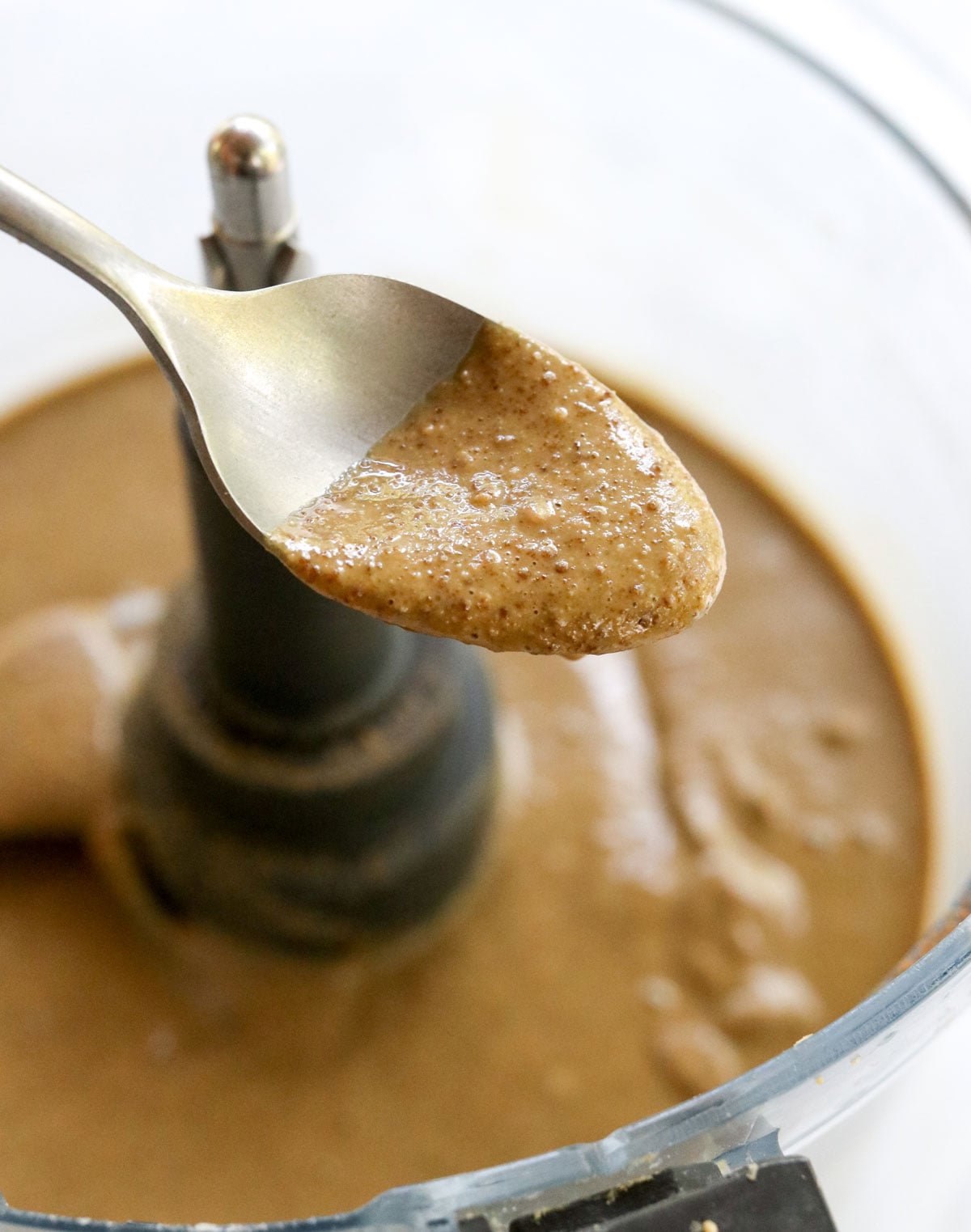
- Smooth and Creamy: Eventually, the natural oils will fully release, and the paste will transform into a glossy, smooth butter. This is where patience comes in!
Important Tips During Processing:
- Scrape Down the Sides: Frequently stop the processor and scrape down the sides of the bowl with a spatula to ensure all the seeds are evenly processed.
- Take Breaks: If your food processor or blender starts to get warm, give it a 5-10 minute break to cool down. Overheating can damage your appliance.
- Be Patient: This entire process can take anywhere from 8-15 minutes, sometimes even longer, depending on your appliance. Do not be tempted to add oil or liquid to speed it up. Just keep processing!
Step 3: Add Sweetener and Salt
Once your sunflower seed butter has reached your desired creamy consistency, add your chosen granulated sweetener and salt. Start with about 1-2 tablespoons of sugar and a quarter teaspoon of salt per cup of seeds, then process for another minute or two to fully incorporate. Taste and adjust as needed, adding more sweetener or salt until it's perfectly balanced for your palate.
Step 4: Store Your Homemade Delicacy
Transfer your freshly made oil-free sunflower seed butter to an airtight container, such as a glass jar. It can be stored at room temperature in a cool, dark pantry for up to 2 weeks, or in the refrigerator for up to a month. Refrigeration will make it firmer, so you might need to let it sit out for a few minutes before spreading.
Tips for Success & Creative Ways to Enjoy
To ensure your homemade sunflower seed butter turns out perfectly every time, keep these additional tips in mind:
- Start with Fresh Seeds: Older seeds might have less oil content and a slightly stale flavor, making it harder to achieve a smooth butter.
- Listen to Your Processor: If it sounds like it's struggling, give it a break. Don't force it.
- Experiment with Flavors: Once you've mastered the basic recipe, try adding a tiny pinch of cinnamon, nutmeg, or even a very small amount (half a teaspoon) of vanilla extract *after* the butter is fully formed and smooth (be cautious with liquids, even small amounts).
- Don't Over-Sweeten: The goal is to balance the bitterness, not mask it entirely. A subtle sweetness allows the true flavor of the sunflower seeds to shine.
Delicious Uses for Your Homemade Sunflower Seed Butter:
- Classic Sandwiches: A perfect nut-free alternative for school lunches.
- Fruit & Veggie Dipper: Pair with apple slices, banana, celery sticks, or carrots.
- Oatmeal & Yogurt Topping: Swirl a dollop into your morning bowl for extra protein and healthy fats.
- Smoothies: Add a tablespoon for creaminess and a nutritional boost.
- Baking: Incorporate into cookies, energy balls, granola bars, or muffins as a nut-free binder.
- Sauces & Dressings: Whisk it into savory dressings for a creamy, nutty base.
Making oil-free sunflower seed butter at home is a rewarding experience that offers superior flavor, health benefits, and cost savings compared to store-bought options. By understanding the simple steps of roasting, processing with patience, and choosing the right granulated sweeteners and salt, you can easily tame any bitterness and create a creamy, wholesome spread that your whole family will love. Embrace this easy, nut-free alternative and enjoy the endless possibilities in your kitchen!
