Unlock the Secret to Homemade Nut-Free Sunflower Seed Butter: Oil-Free & Perfectly Sweet
In a world increasingly mindful of allergies and healthy eating, finding versatile and delicious alternatives to common pantry staples is invaluable. If you or someone you love navigates the complexities of nut allergies, or if you simply seek a healthier spread without unnecessary additives, homemade sunflower seed butter is a game-changer. Forget the store-bought varieties that often disappoint with their bitter notes, excessive sugar, or unwanted oils. This comprehensive guide will show you how to make sunflower seed butter oil free, perfectly sweet, and incredibly smooth, all from the comfort of your own kitchen.
Sunflower seed butter, often hailed as a superior nut-free alternative to peanut butter, offers a rich, satisfying flavor and a creamy texture that’s ideal for sandwiches, baking, and healthy snacks. The key to its success? Making it yourself. When you take control of the ingredients, you eliminate common pitfalls and unlock a truly customized experience that store-bought jars simply can’t match.
Why Homemade & Oil-Free Reigns Supreme for Sunflower Seed Butter
Many commercially available sunflower seed butters contain added oils like sunflower oil or palm oil to achieve a smoother consistency and extend shelf life. While not inherently "bad," these added oils contribute extra calories and fats that aren't always necessary. The good news is, learning how to make sunflower seed butter oil free is not only possible but surprisingly easy. The secret lies in one crucial step:
- Natural Oil Release: Sunflower seeds, like many nuts and seeds, are naturally rich in oils. The magic happens when you briefly roast them. This gentle heat helps to "wake up" and release these inherent oils, creating a luscious, creamy butter without the need for a single drop of added fat. This process is fundamental to achieving an oil-free spread that’s just as smooth, if not smoother, than its store-bought counterparts. For more in-depth guidance on this, check out our article on How to Make Oil-Free Sunflower Seed Butter at Home Easily.
- Cost-Effectiveness: Ready-made sunflower seed butter can be surprisingly expensive, especially for organic or allergen-friendly brands. Making it yourself drastically cuts down on costs, often for a fraction of the price. All you need are sunflower seeds and a few pantry staples.
- Customizable Sweetness & Flavor: One of the biggest complaints about store-bought sunflower butter is its inconsistent flavor profile — either intensely bitter or overly sweet. Sunflower seeds naturally possess a distinct bitterness that needs to be balanced. By making your own, you dictate the level of sweetness, ensuring it perfectly suits your palate. We'll delve into how to achieve this balance without compromising texture.
- Allergen Safety & Purity: For individuals with severe nut allergies, cross-contamination is a serious concern. Making your own sunflower seed butter at home in a dedicated, nut-free environment provides peace of mind. Always remember to check the packaging of your raw sunflower seeds to ensure they were not processed in facilities that handle tree nuts.
The Art of Taming Bitterness and Achieving Perfect Sweetness
Sunflower seeds have an inherent bitterness, a characteristic that often puts people off their store-bought butter counterparts. This is where your culinary creativity comes into play. Unlike almond or peanut butter, which can often stand alone without added sweetness, sunflower seed butter truly shines with a touch of balance. Here’s how to master it:
The first attempt at making sunflower butter often comes with a learning curve, particularly around the bitterness. It’s a common pitfall. The key to balancing this lies in your choice of sweetener and a pinch of salt.
- Granulated Sweeteners are Your Friend: Through trial and error, many home cooks — and professional chefs — have learned that adding liquid sweeteners like maple syrup or honey directly to nut or seed butters is a recipe for disaster. The liquid can cause the mixture to seize and become thick, clumpy, and unspreadable. Instead, opt for granulated sugars. Coconut sugar is a popular choice for its mild caramel notes and natural profile, but any granulated sugar — white sugar, brown sugar, or even a granulated sugar substitute for a keto-friendly option — will work beautifully. Add it towards the end of the processing time to ensure it fully dissolves and incorporates.
- The Unsung Hero: Salt: Don’t underestimate the power of salt. Even if you choose to keep your sunflower butter unsweetened to embrace its natural flavor, a dash of salt is crucial. It doesn't just enhance the taste; it actively works to counteract and distract from the inherent bitterness of the sunflower seeds, elevating the overall flavor profile.
- Beyond Sweetness & Salt: For an extra layer of flavor, consider adding a pinch of cinnamon, a splash of vanilla extract (added *after* the butter is fully formed, carefully, or a vanilla bean scraped in with the seeds), or even a touch of cocoa powder for a "chocolate sun butter."
Mastering this balance is key to creating a sunflower seed butter you’ll crave. For more tips on this, read our guide on Easy Oil-Free Sunflower Seed Butter: Tame Bitterness, Save Money.
Your Step-by-Step Guide: How to Make Sunflower Seed Butter Oil Free
Making sunflower seed butter at home is surprisingly simple, requiring just a few ingredients and a bit of patience. The process is primarily about allowing the seeds to do their natural thing — releasing their oils through friction and heat.
Ingredients You'll Need:
- 2-3 cups Raw, Unsalted Sunflower Seeds: Opt for unsalted and unroasted varieties to have full control over the flavor. If you can only find roasted, they will still work, but be mindful of any added oils or salt.
- 1-3 tablespoons Granulated Sweetener: Such as coconut sugar, white sugar, or a granulated sugar substitute (adjust to your preference).
- ½ teaspoon Sea Salt: Or to taste.
Equipment:
- Baking Sheet
- Food Processor or High-Speed Blender: A powerful machine is essential for achieving a super smooth consistency.
The Process:
- Preheat & Roast: Preheat your oven to 300°F (150°C). Spread the sunflower seeds in a single layer on a baking sheet. Roast for 8-10 minutes, or until lightly golden and fragrant. Watch them carefully to prevent burning, as burnt seeds will result in bitter butter. This crucial step is what truly helps how to make sunflower seed butter oil free, as it coaxes out the seeds' natural oils.
- Cool: Allow the roasted seeds to cool completely. This prevents steam from forming in your food processor and helps ensure a smoother texture.
- Process: Transfer the cooled sunflower seeds to your food processor or high-speed blender. Begin processing. This is where patience is paramount. The seeds will go through several stages:
- Rough Crumbs (1-3 minutes): The seeds will initially break down into a coarse, crumbly mixture.
- Fine Meal (3-5 minutes): They'll become finer, resembling flour.
- Clumpy Paste/Sticky Ball (5-8 minutes): The natural oils will start to release, and the mixture will clump together, potentially forming a sticky ball that rotates around the blade.
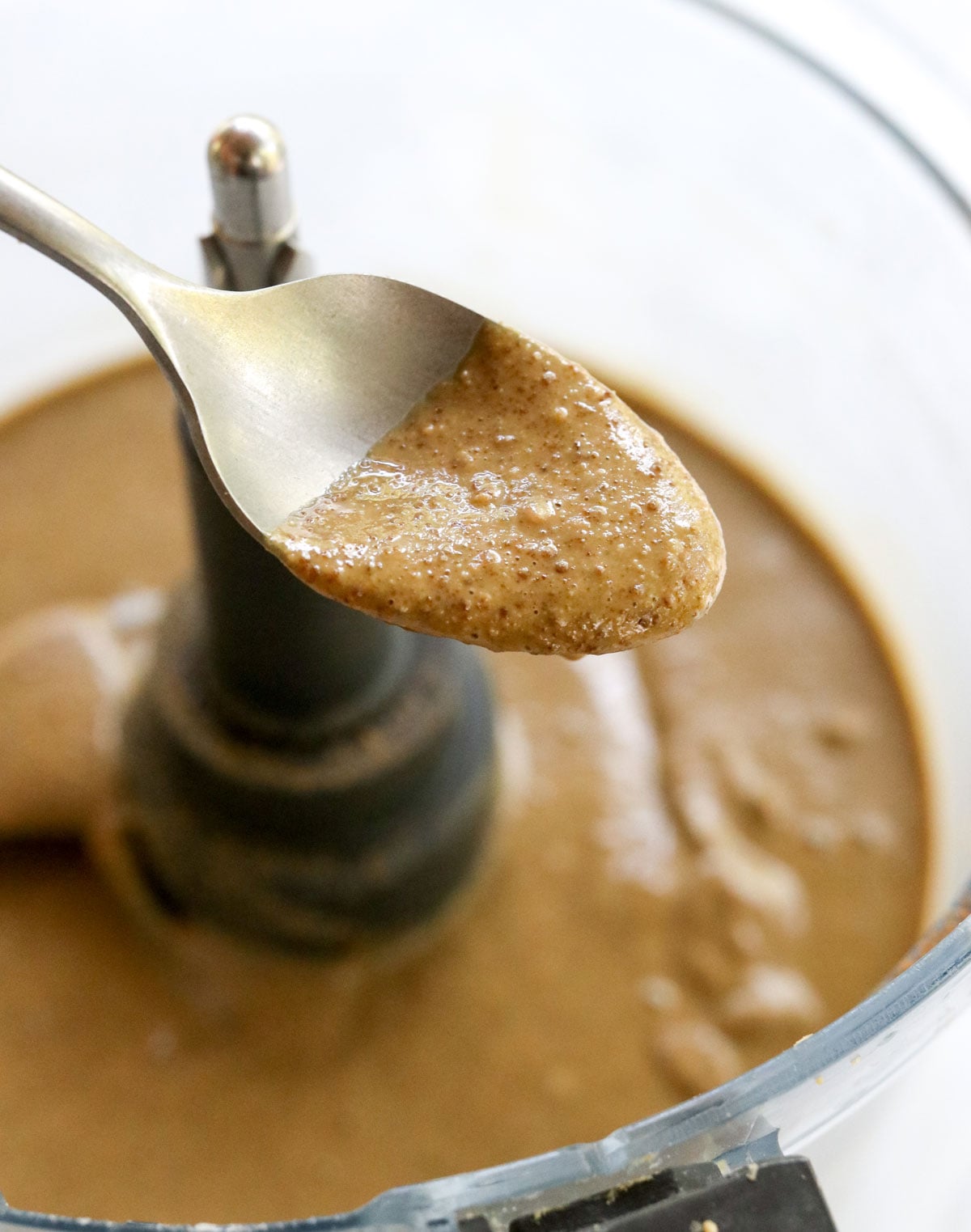
- Creamy Butter (8-15+ minutes): Continue processing. The sticky ball will eventually smooth out, turning into a creamy, pourable butter. You may need to stop occasionally to scrape down the sides of the bowl to ensure even processing.
- Sweeten & Season: Once the butter is smooth and creamy, add your granulated sweetener and salt. Process for another 1-2 minutes until fully incorporated. Taste and adjust sweetness and salt as needed.
- Storage: Transfer your homemade sunflower seed butter to an airtight container. Store in the refrigerator for up to 2-3 weeks. The natural oils may separate over time, so give it a good stir before each use.
Troubleshooting Tips for a Perfect Batch:
- Patience is a Virtue: The entire processing time can take anywhere from 8 to 15 minutes, sometimes even longer, depending on your machine. Don't give up! It will transform.
- Scrape the Sides: Regularly stop and scrape down the sides of your food processor bowl to ensure all seeds are being processed evenly.
- Consistency Too Thick? If your butter is still very thick after 15-20 minutes and shows no sign of smoothing further, your seeds might have been a bit dry. As a last resort, you can add half a teaspoon of a neutral oil (like sunflower oil) at a time, but this deviates from the "oil-free" goal. Focus on good roasting and patience first.
Ways to Enjoy Your Homemade Sunflower Seed Butter
Now that you’ve mastered how to make sunflower seed butter oil free and perfectly sweet, the possibilities are endless! This versatile spread can be used in countless ways:
- Classic Sandwiches: A delicious and safe alternative to peanut butter and jelly.
- Energy Bites & Bars: A fantastic binder and flavor base for no-bake treats.
- Smoothies: Add a tablespoon for a creamy texture and nutty flavor boost.
- Oatmeal Topping: Drizzle over your morning bowl of oats or yogurt.
- Baking: Substitute for peanut butter in cookies, brownies, or muffins.
- Dips & Sauces: Incorporate into savory dressings or dips for a unique twist.
Conclusion
Making your own nut-free sunflower seed butter is a truly rewarding experience. It empowers you to control ingredients, save money, and create a delicious, perfectly balanced spread that caters to your exact preferences and dietary needs. By briefly roasting the seeds, you effortlessly learn how to make sunflower seed butter oil free, tapping into their natural richness without any additives. The journey from humble seeds to creamy, sweet butter is simpler than you think, and the result is a versatile, healthy, and allergy-friendly staple you'll be proud to keep in your pantry.
